Marine supply and vessel care

Hull Cleaning, Propeller Polishing and Underwater Inspection

Full hull cleaning, propeller polishing and underwater inspections at Batangas and other Philippine ports, with before and after photo reports for owners.

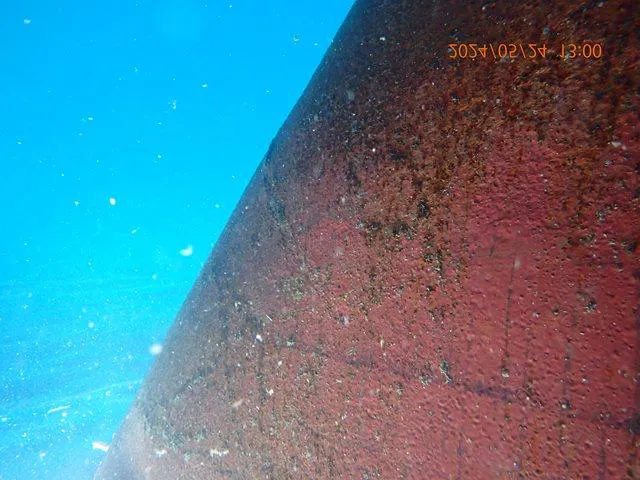
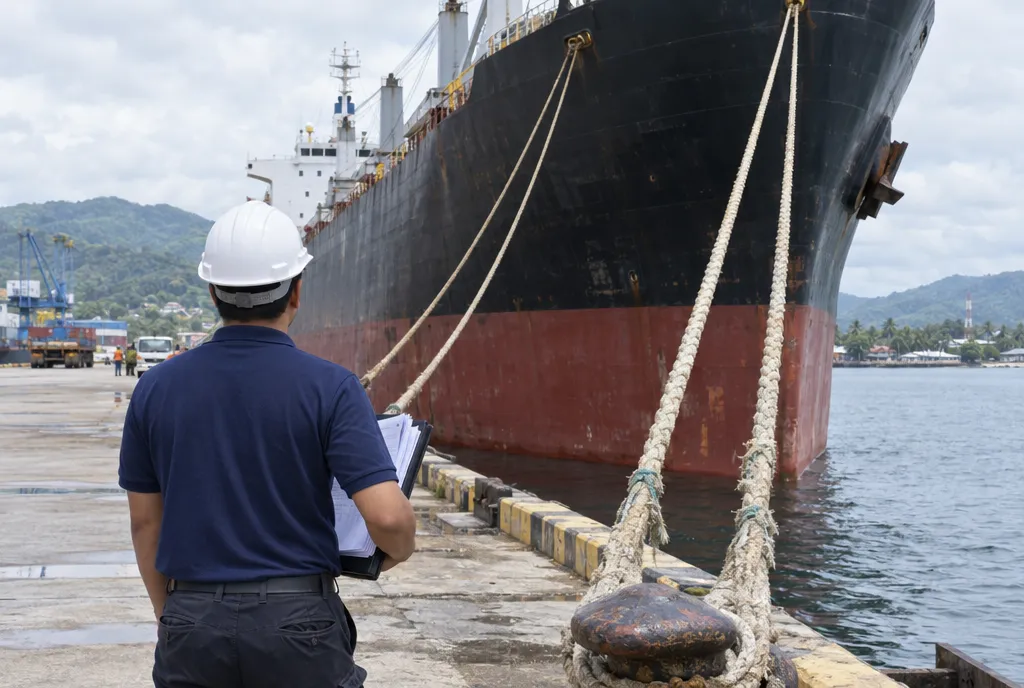
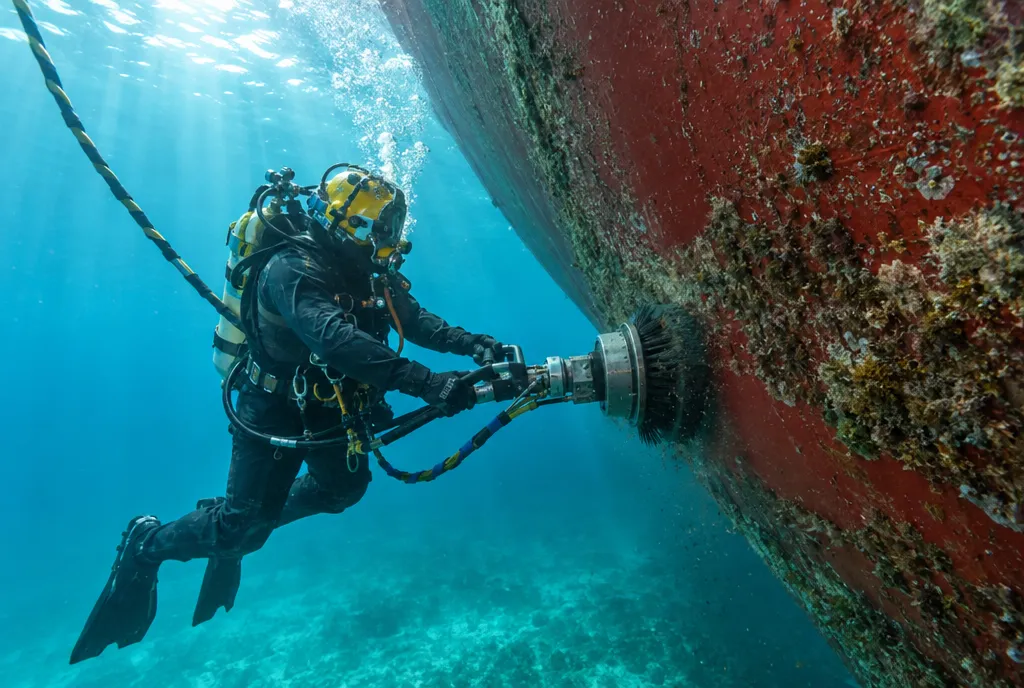
Hull cleaning removes marine growth from a ship's underwater hull so the vessel burns less fuel on the next passage. V. Faytaren Shipping Agency arranges full hull cleaning, propeller polishing and underwater inspections at Batangas and other Philippine ports, with a photo report before and after every job.

See the work: Full hull cleaning and propeller polishing and Underwater inspection of a starboard anchor chain.

What our hull cleaning service covers

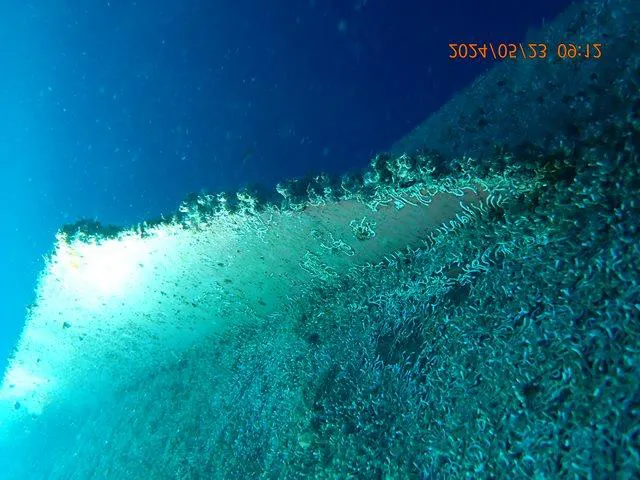
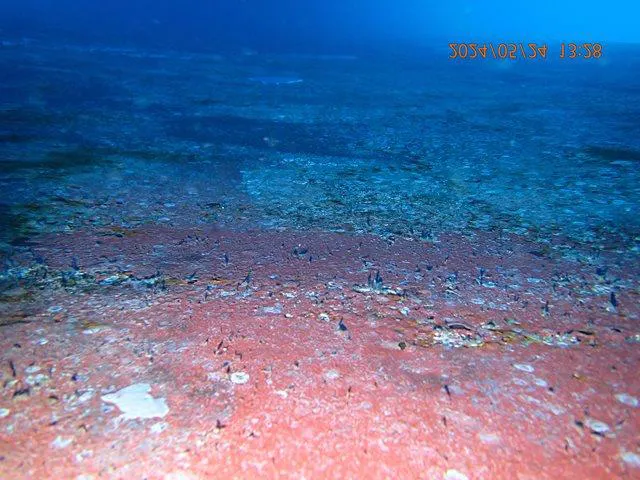
Warm tropical water is good for marine growth. Weed, slime, tubeworms and barnacles build up on the hull, especially when a ship waits at anchor for weeks, and the result is more drag and a higher fuel bill. Charterers may also raise performance claims when a fouled hull slows the vessel down.

Cleaning the hull while the vessel is already in port saves a separate stop. We deploy the diving team, schedule the work around cargo operations or waiting time, handle the permits that port authorities may require for underwater work, and agree safety measures with the master, such as isolating sea chests and the propeller.

Every job ends with a report the master and your technical department can use: fouling type, thickness and coverage by area, the condition of shell plating, weld seams, bilge keels, anodes and gratings, and photos of each area before and after. When something below the waterline needs a closer look, such as an anchor chain or a fouled propeller, the same team carries out an underwater inspection and tells you plainly what they found.

What we handle

  • Full underwater hull cleaning at berth or anchorage
  • Propeller polishing (Rubert scale grade A on our last job)
  • Rudder, sea chest gratings and boot top cleaning
  • Hull condition survey: plating, welds, bilge keels, anodes
  • Underwater inspection of anchor chains and fittings
  • Before and after photos and video for every area
  • Permits and safety coordination with the master
  • Written report submitted to the master before sign-off

How it works

  1. Request

    Share the vessel details, location and what you want cleaned or inspected.

  2. Planning

    We line up the divers, permits and a time slot that suits the port stay.

  3. Dive work

    The team records each area before cleaning, cleans it, then records it again.

  4. Report

    The master reviews the photos and video, then you receive the full report.

Ports where we provide this service

Our home port is Batangas, including the government pier and the private terminals around Batangas Bay. We also serve these Philippine ports:

  • Batangas
  • Manila
  • Subic
  • Bataan
  • Quezon
  • La Union
  • Cagayan
  • Cebu
  • Samar
  • Leyte
  • Davao

See all ports and Batangas terminals

Why principals choose V. Faytaren Shipping Agency

We have worked at the Port of Batangas since 1976. The agency is registered with the Maritime Industry Authority (MARINA), holds a Philippine Ports Authority permit to operate as ship's agent, is accredited by the Bureau of Customs and is a member of the Philippine Ship Agents Association. Our day-to-day working relationships with Customs, Immigration, Quarantine, the Coast Guard, the pilots and the terminals are what keep your vessel moving.

View our permits and accreditation

Frequently asked questions

Why clean the hull during a port call?

Marine growth increases drag and fuel use. Cleaning while the vessel is already in port avoids a separate stop and can help with charter party performance.

Do you need a permit for hull cleaning?

Underwater work may need approval from the port authorities. We check the requirement for your location and handle the paperwork.

Can the propeller be polished at the same time?

Yes. On our most recent full hull job at Batangas, the propeller was polished to Rubert scale grade A during the same two-day operation.

What does the report include?

Fouling type, thickness and coverage by area, the condition of plating, welds, bilge keels, anodes and gratings, plus before and after photos of every area. The master reviews the files before signing the completion report.

Can you inspect an anchor chain underwater?

Yes. Divers can follow the chain down to check the stud links and record depths with gauges and photos. Dives stop at safe limits, and the report recommends next steps such as underwater cutting when a chain cannot be recovered.
Job record, May 23 to 24, 2024

Full hull cleaning and propeller polishing at Sta. Clara anchorage, Batangas

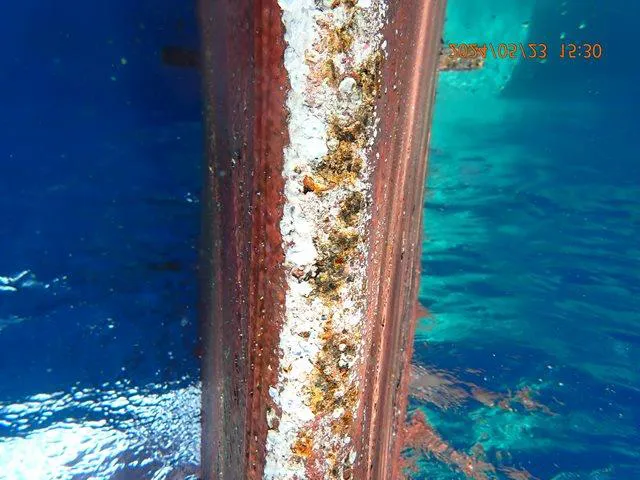
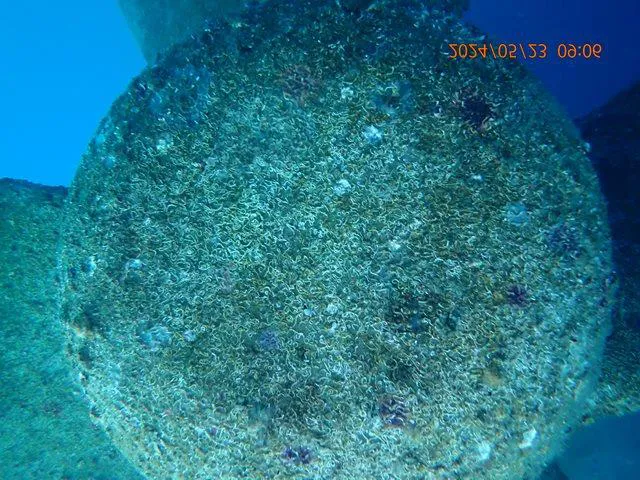
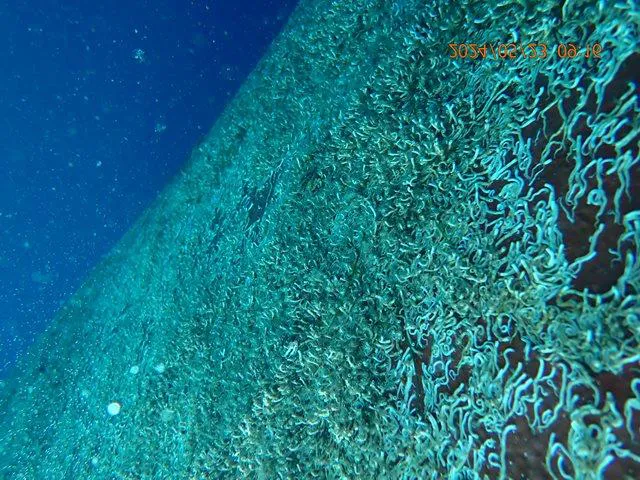
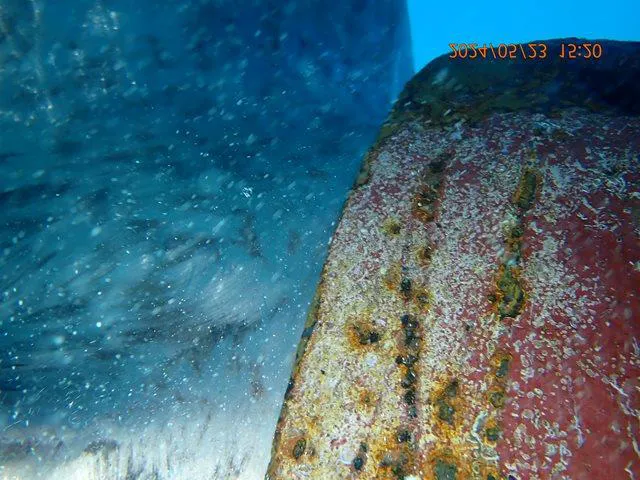
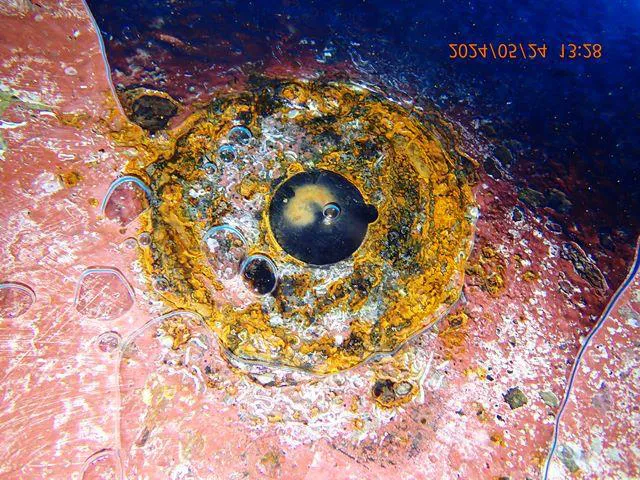
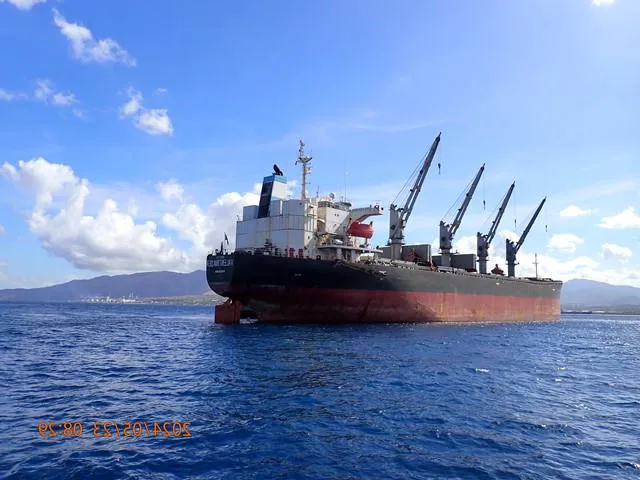
A 186-metre bulk carrier came to us with heavy fouling after time at anchor. Over two days our dive team cleaned the entire underwater hull, polished the propeller, and surveyed the hull condition area by area.

Vessel
Panama-flagged bulk carrier
Size
186 m LOA, 26,094 gross tonnage
Location
Sta. Clara Anchorage Area, Batangas
Conditions
Calm sea, 0.2 knot current, 3 m visibility
Scope
Full hull cleaning, propeller polishing, visual inspection, photo and video survey
The bulk carrier at Sta. Clara anchorage, Batangas, on the day of the hull cleaning

What the divers found and did

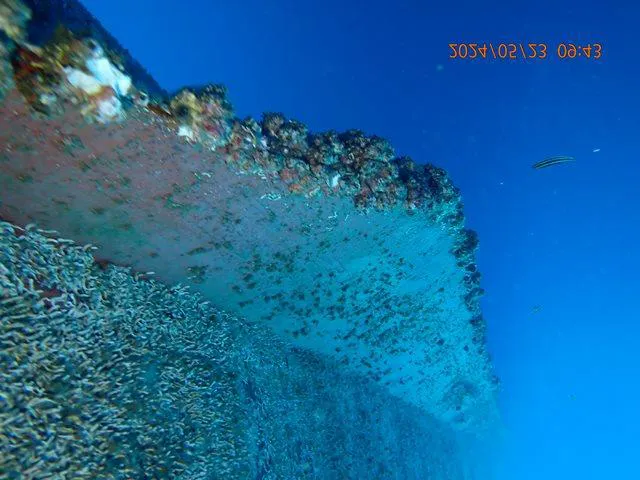
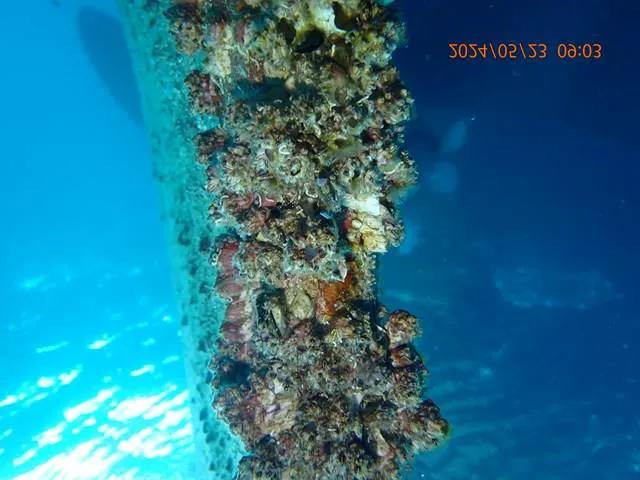
  • Heavy fouling (severity C) across the hull: 85 to 90 percent coverage, up to 35 mm thick on the flat bottom.
  • Growth included algae, sea grass, slime, tubeworms, goose barnacles and acorn barnacles.
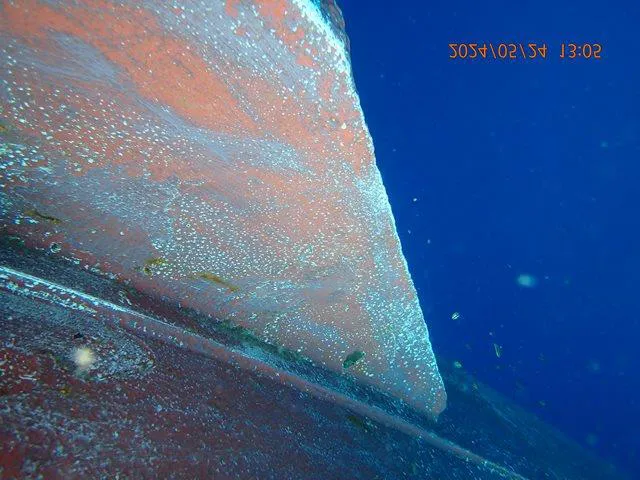
  • All underwater areas, including the rudder, sea chests and boot top, were cleaned with designated equipment.
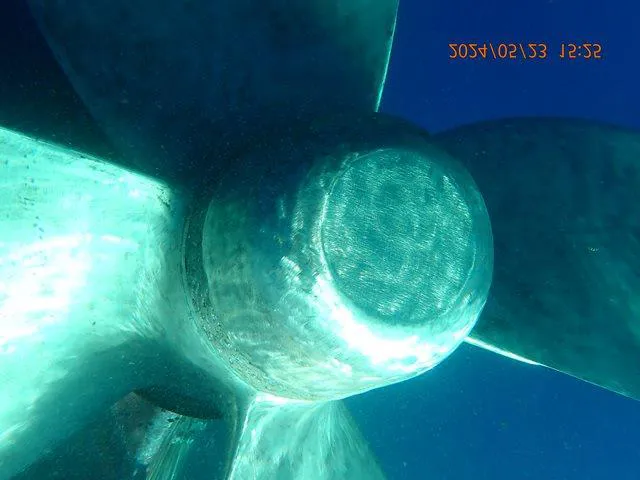
  • The four-blade propeller was polished to Rubert scale grade A.
  • Shell plating, weld seams and both bilge keels (three segments each side) were found in good condition, with no mechanical damage.
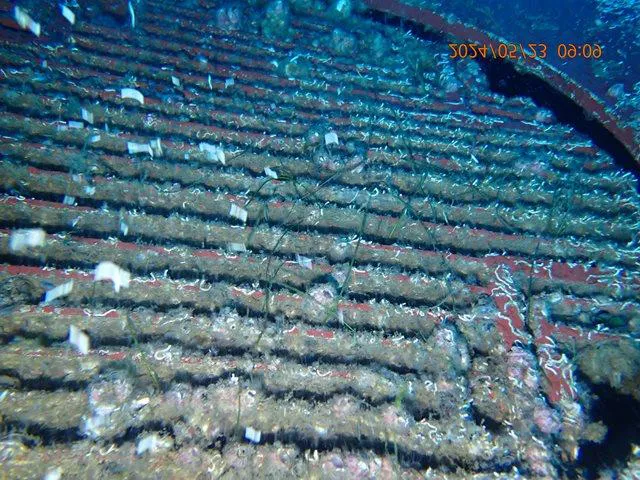
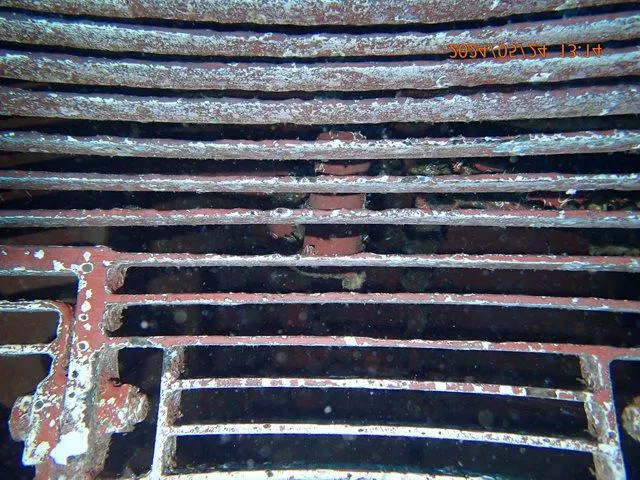
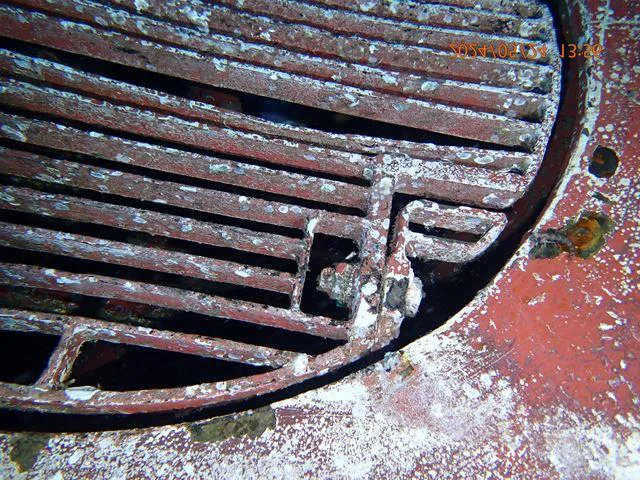
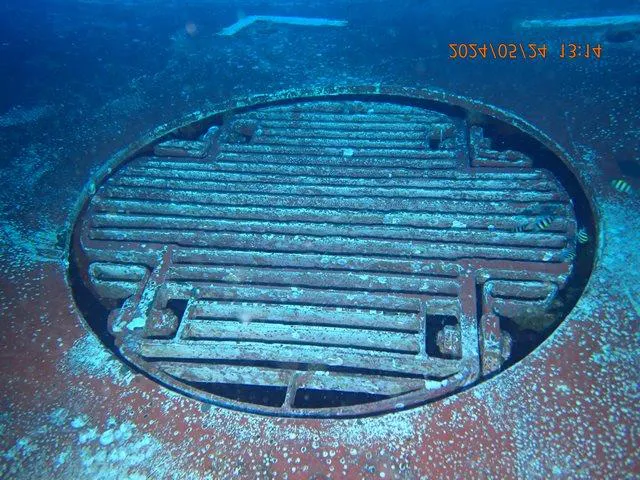
  • Sea chest gratings were secure. Sacrificial anodes were found fully and uniformly depleted and reported to the master.
  • All photos and videos were reviewed by the master before the completion report was signed.

Before and after cleaning

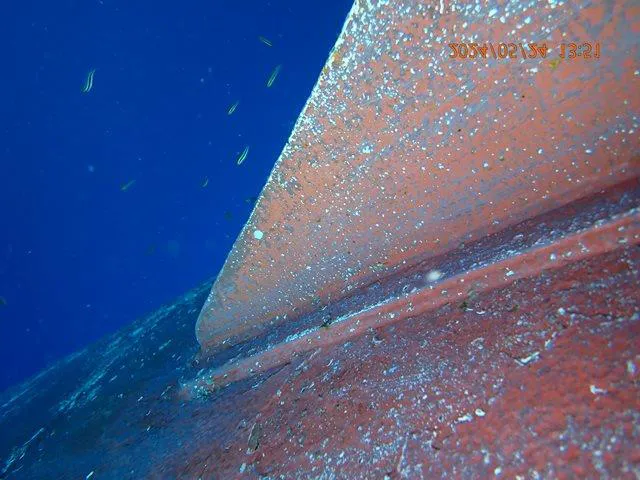
  • Rudder before cleaning, covered in marine growthBefore
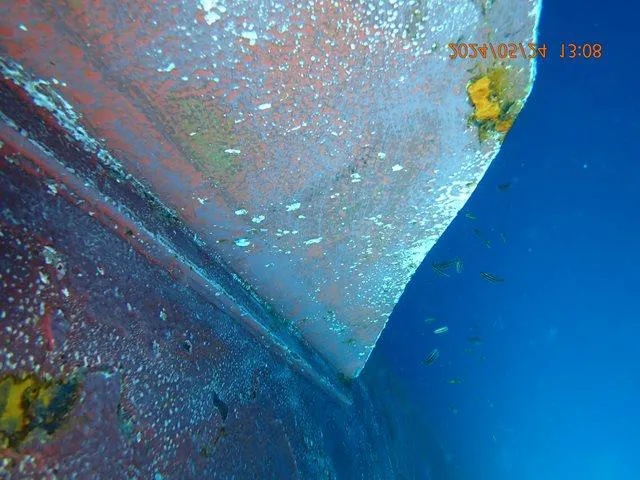
    Rudder after cleaningAfter
    Rudder
  • Propeller before cleaning, covered in marine growthBefore
    Propeller after cleaningAfter
    Propeller
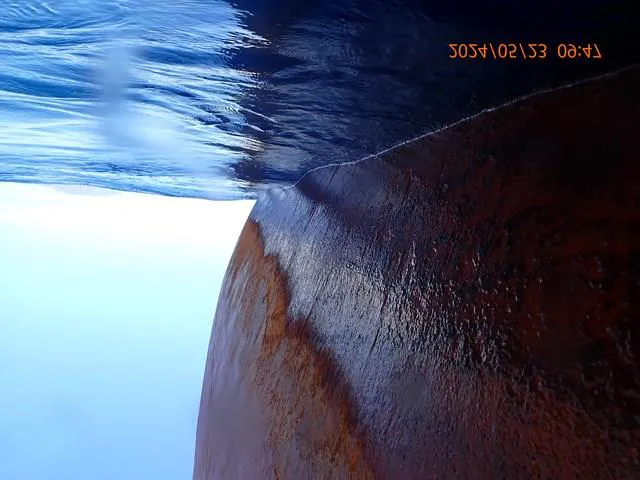
  • Port bow before cleaning, covered in marine growthBefore
    Port bow after cleaningAfter
    Port bow
  • Port midship before cleaning, covered in marine growthBefore
    Port midship after cleaningAfter
    Port midship
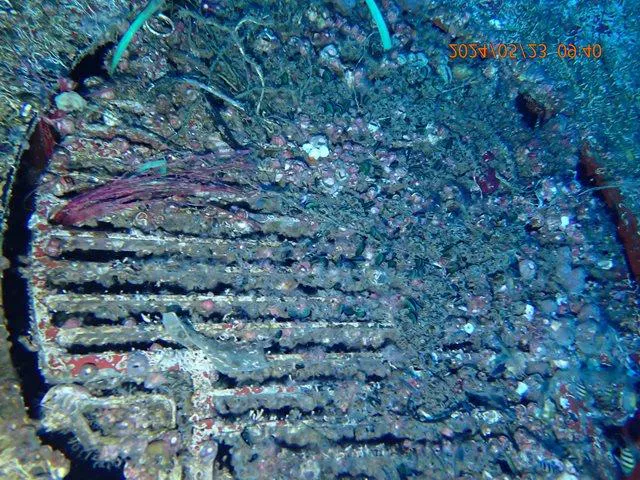
  • Port stern and sea chests before cleaning, covered in marine growthBefore
    Port stern and sea chests after cleaningAfter
    Port stern and sea chests
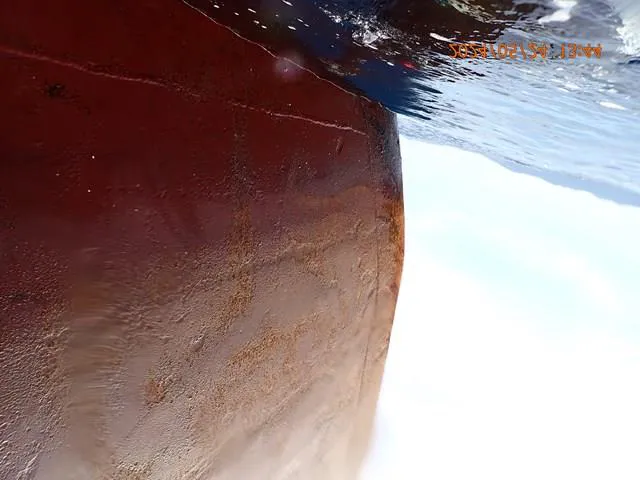
  • Starboard bow before cleaning, covered in marine growthBefore
    Starboard bow after cleaningAfter
    Starboard bow
  • Starboard midship before cleaning, covered in marine growthBefore
    Starboard midship after cleaningAfter
    Starboard midship
  • Starboard stern and sea chests before cleaning, covered in marine growthBefore
    Starboard stern and sea chests after cleaningAfter
    Starboard stern and sea chests
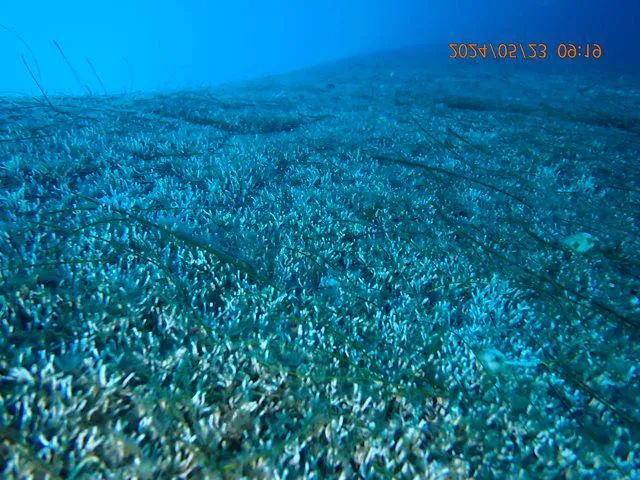
  • Flat bottom before cleaning, covered in marine growthBefore
    Flat bottom after cleaningAfter
    Flat bottom

Fittings after cleaning

  • Sea chest gratings after cleaningAfter
    Sea chest gratings
  • Bilge keel after cleaningAfter
    Bilge keel
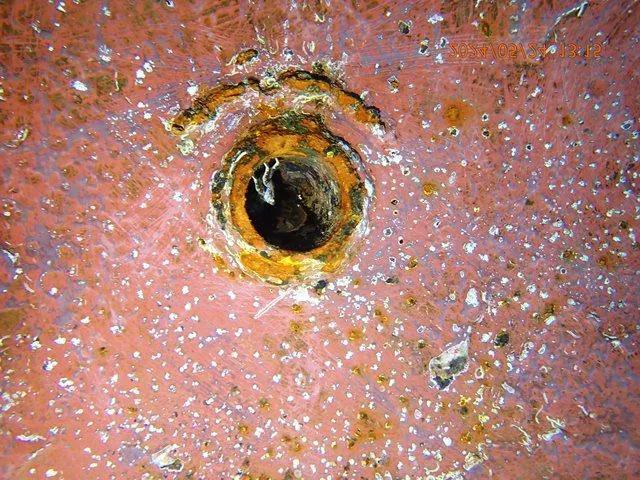
  • Discharge pipe after cleaningAfter
    Discharge pipe
  • Rope guard after cleaningAfter
    Rope guard
  • Underwater navigational aids after cleaningAfter
    Underwater navigational aids

Job record, June 30, 2024

Underwater inspection of a starboard anchor chain

After the same vessel tried to heave up its starboard anchor without success, our divers went down to check the stud link chain and find where it stood. The dive began at 1000 hours and was completed by 1115.

Vessel
The same bulk carrier
Task
Inspect the starboard stud link anchor chain
Water depth
About 64 m from waterline to bottom
Timing
Divers on site 0900, dive 1000 to 1115

What the divers found and did

  • Shot number 3 of the stud link chain was found 7 m below the waterline, and shot number 2 at 34 m.
  • The underwater camera stopped working at 48.5 m.
  • The dive was stopped at 50 m for safety: the current was strong enough to drag the divers, and going past 60 m would have needed decompression stops.
  • Recommendation: review the findings with the vessel's superintendent and master, then cut the stud link chain underwater to release the snapped anchor, since the entanglement was too deep to clear.

Photos from the dive

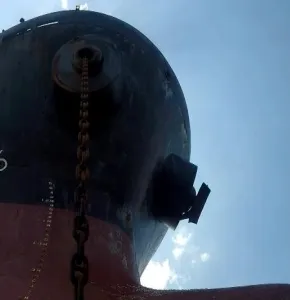
  • Dive photo, June 30, 2024: starboard anchor chain leading down from the hawse pipe
    Starboard anchor chain leading down from the hawse pipe
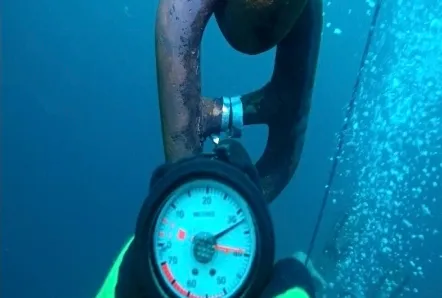
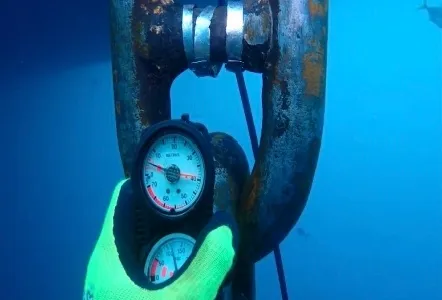
  • Dive photo, June 30, 2024: depth gauge reading held against a chain link
    Depth gauge reading held against a chain link
  • Dive photo, June 30, 2024: depth check at a joining shackle
    Depth check at a joining shackle
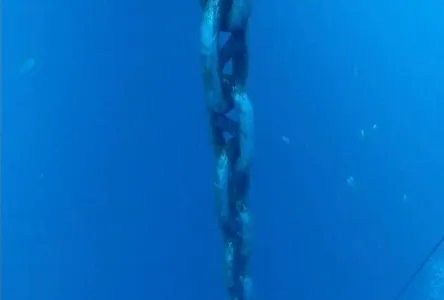
  • Dive photo, June 30, 2024: anchor chain hanging in open water
    Anchor chain hanging in open water
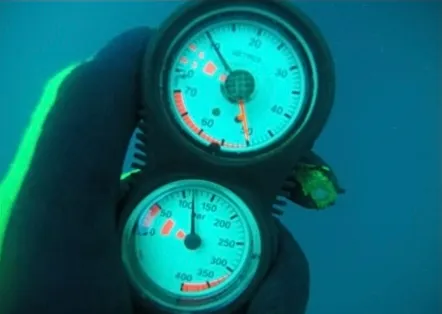
  • Dive photo, June 30, 2024: depth and air gauges at the deepest point
    Depth and air gauges at the deepest point
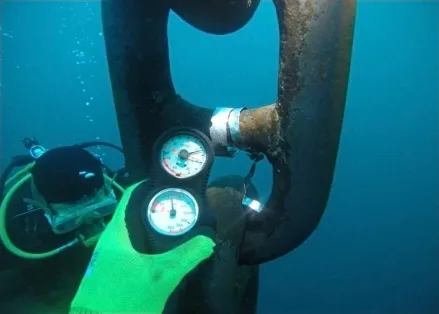
  • Dive photo, June 30, 2024: diver recording depth at the chain
    Diver recording depth at the chain

Related services

Often booked together

Marine supply and vessel care

Submarine Cable Recovery and Debris Removal

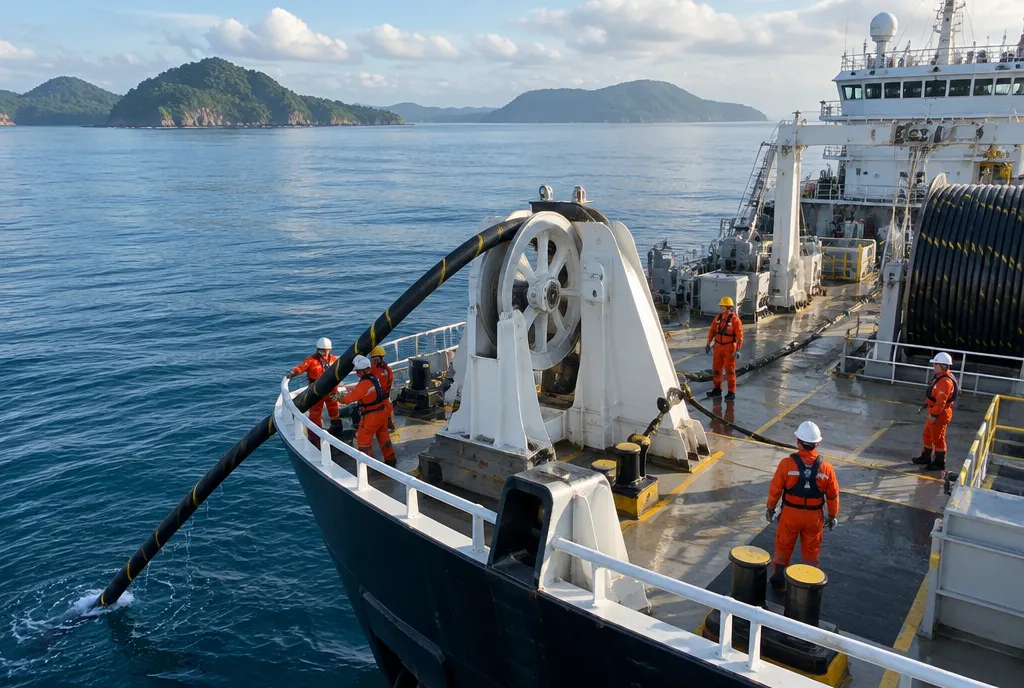
Submarine cable recovery is the work of bringing an underwater telephone or fiber optic cable up to the deck so it can be inspected, repaired or replaced.

Marine supply and vessel care

Bunkering Services

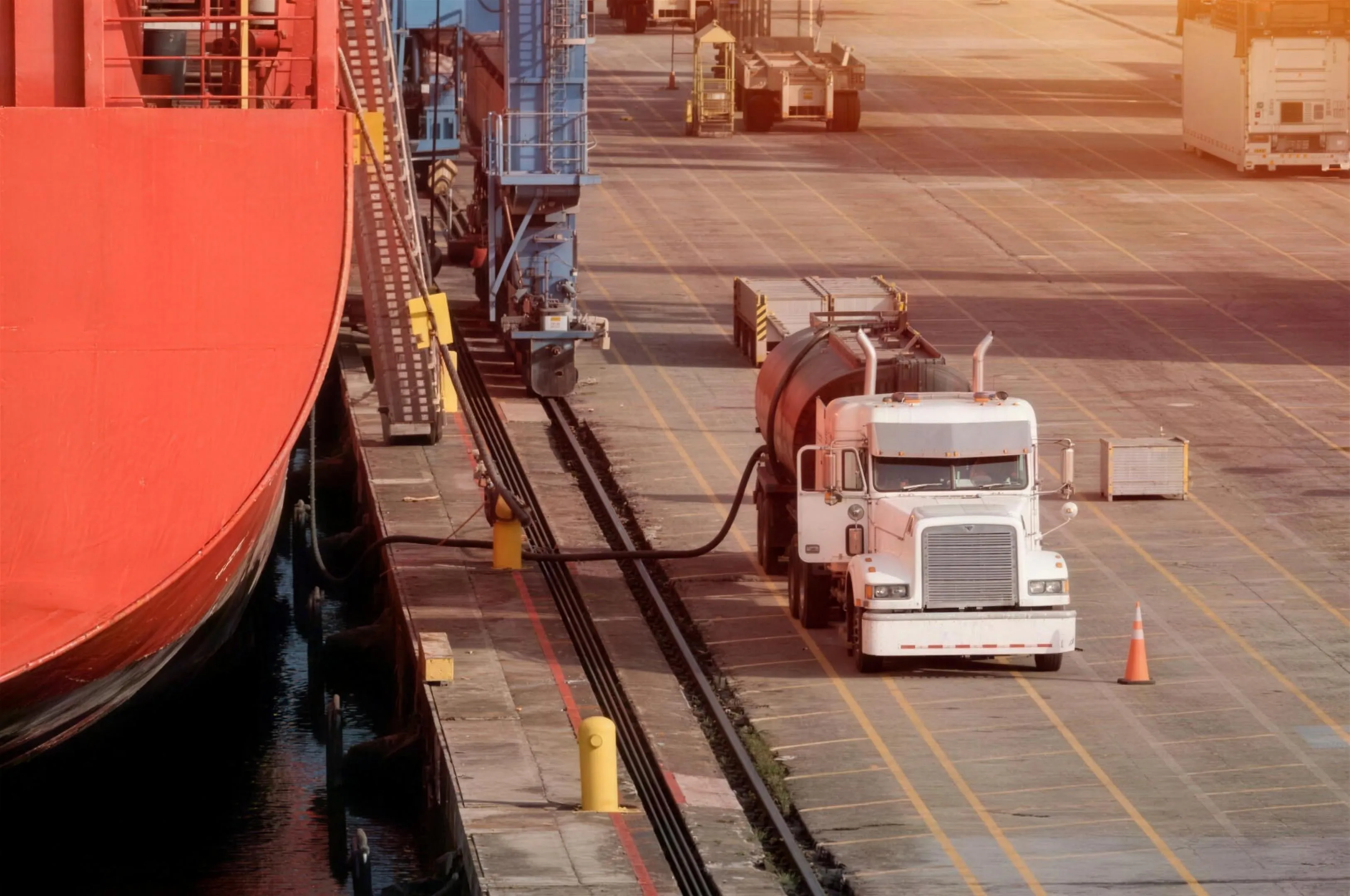
Bunkering is the supply of fuel and lubricants to a ship.

Have a vessel calling a Philippine port?

Send us the vessel name, ETA and port. We will reply with the next steps and a port cost estimate.

Call Now