Submarine cable recovery is the work of bringing an underwater telephone or fiber optic cable up to the deck so it can be inspected, repaired or replaced. V. Faytaren Shipping Agency supports cable recovery in Philippine waters, including clearing the debris that wraps itself around a cable on the seabed, and handles the port side of every job for the cable vessel.
See the work: Recovering underwater telephone cables and clearing tangled debris.
What our submarine cable recovery service covers
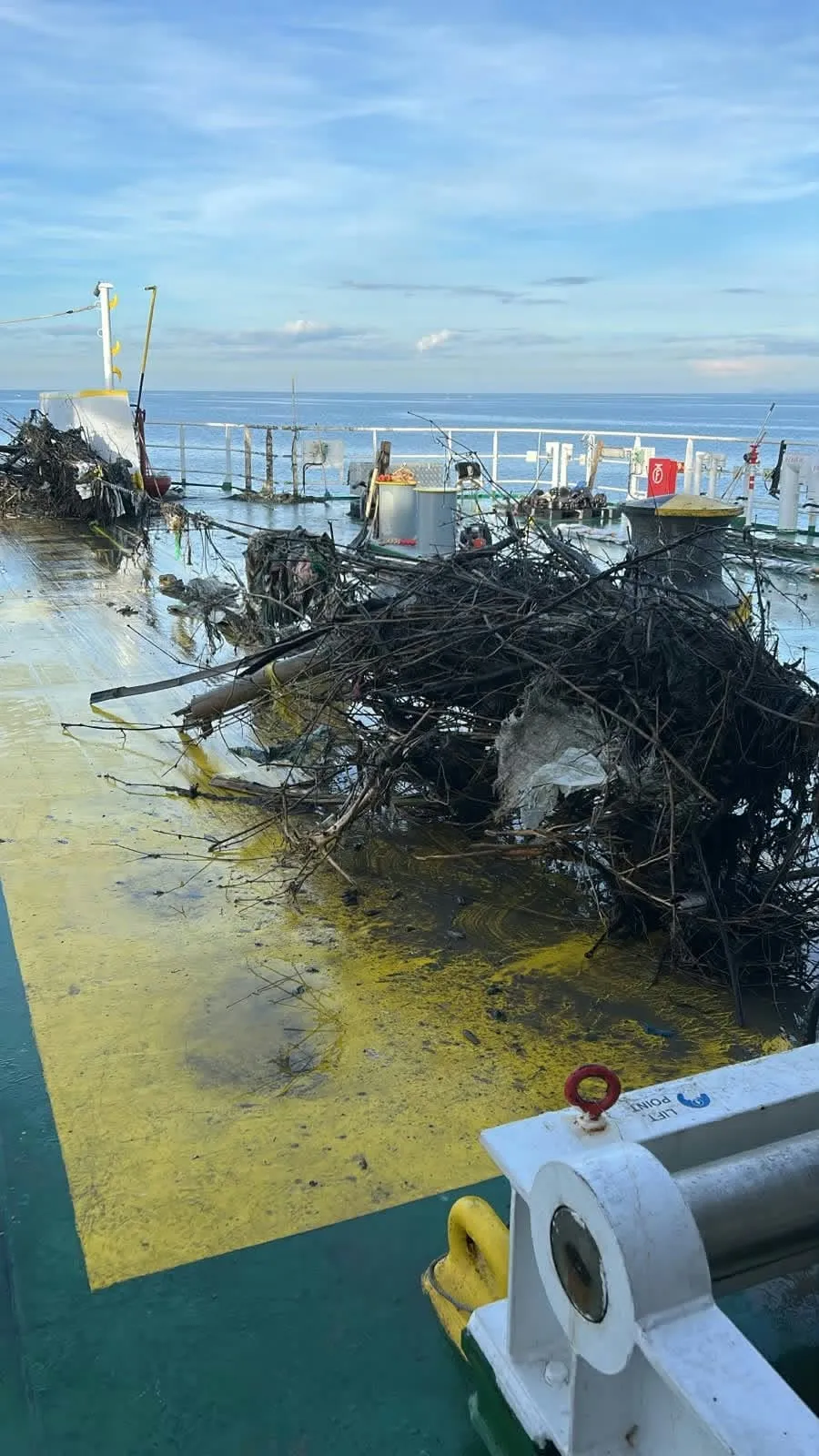
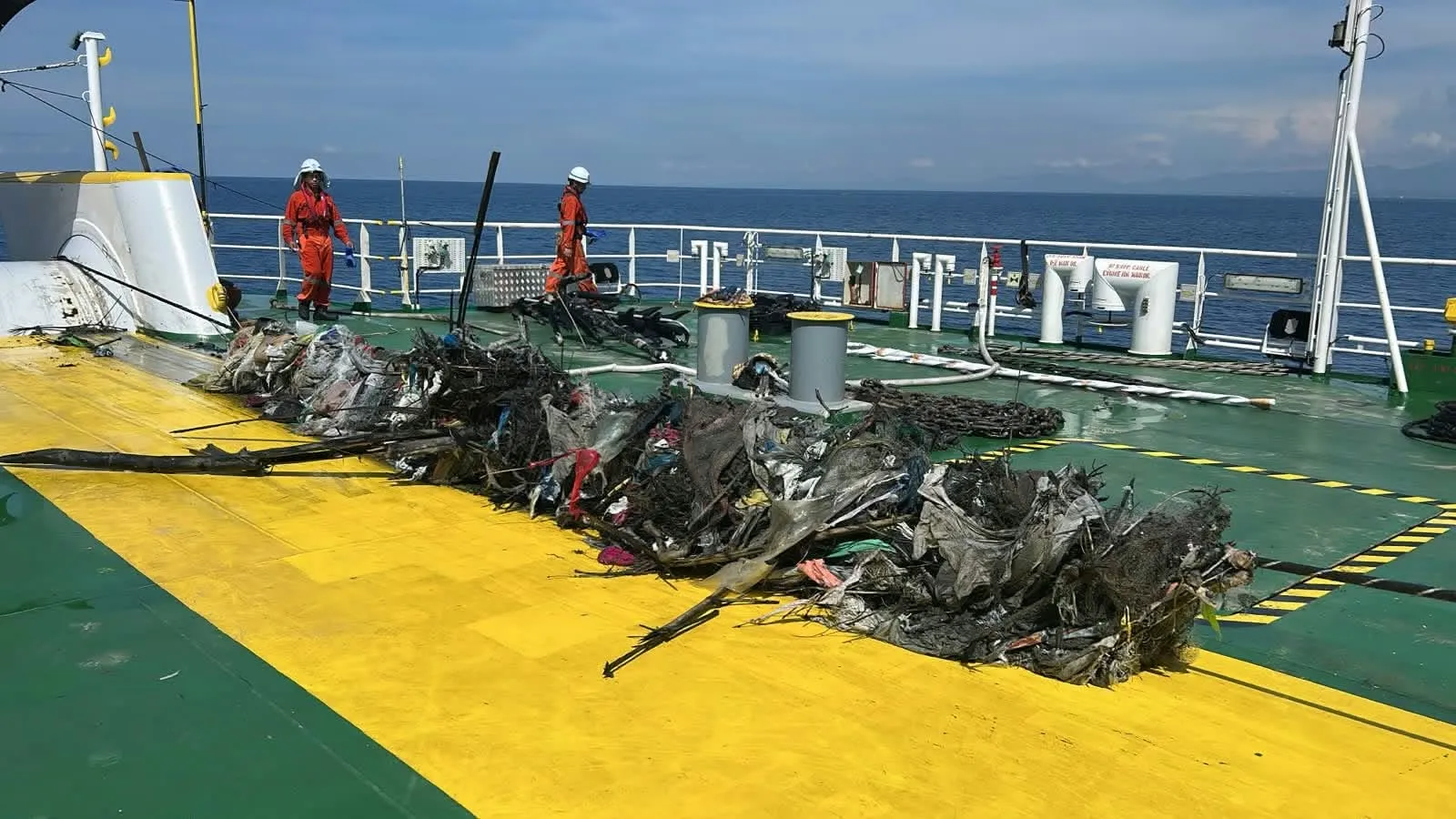
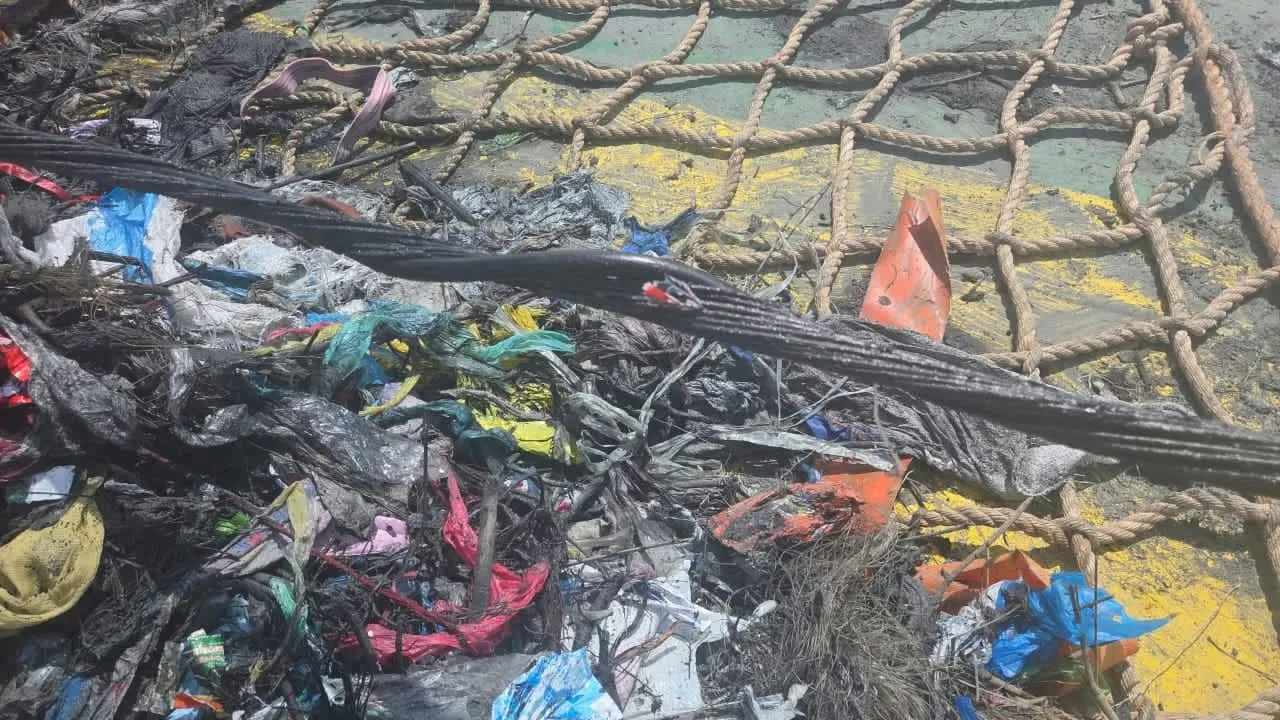
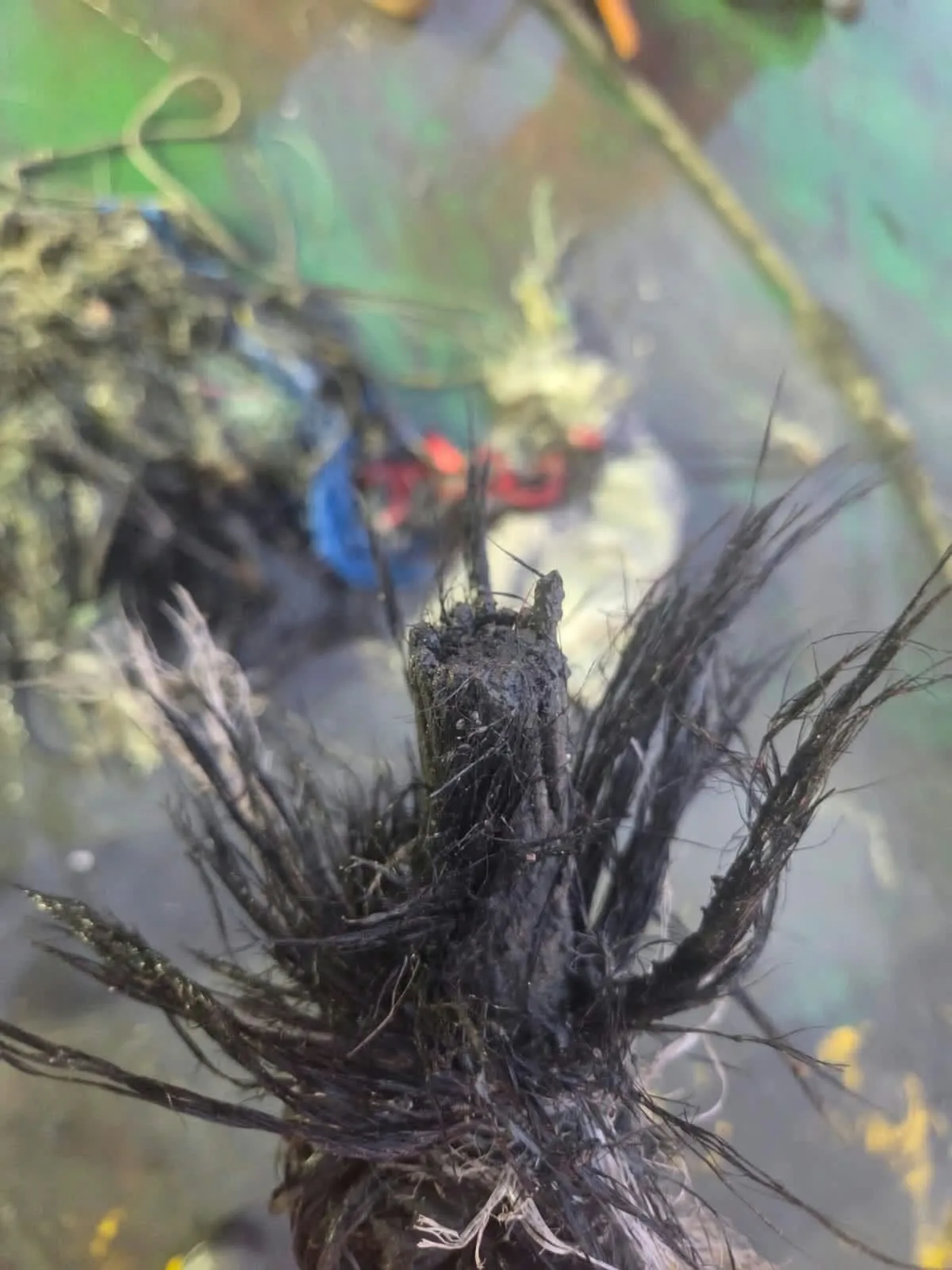
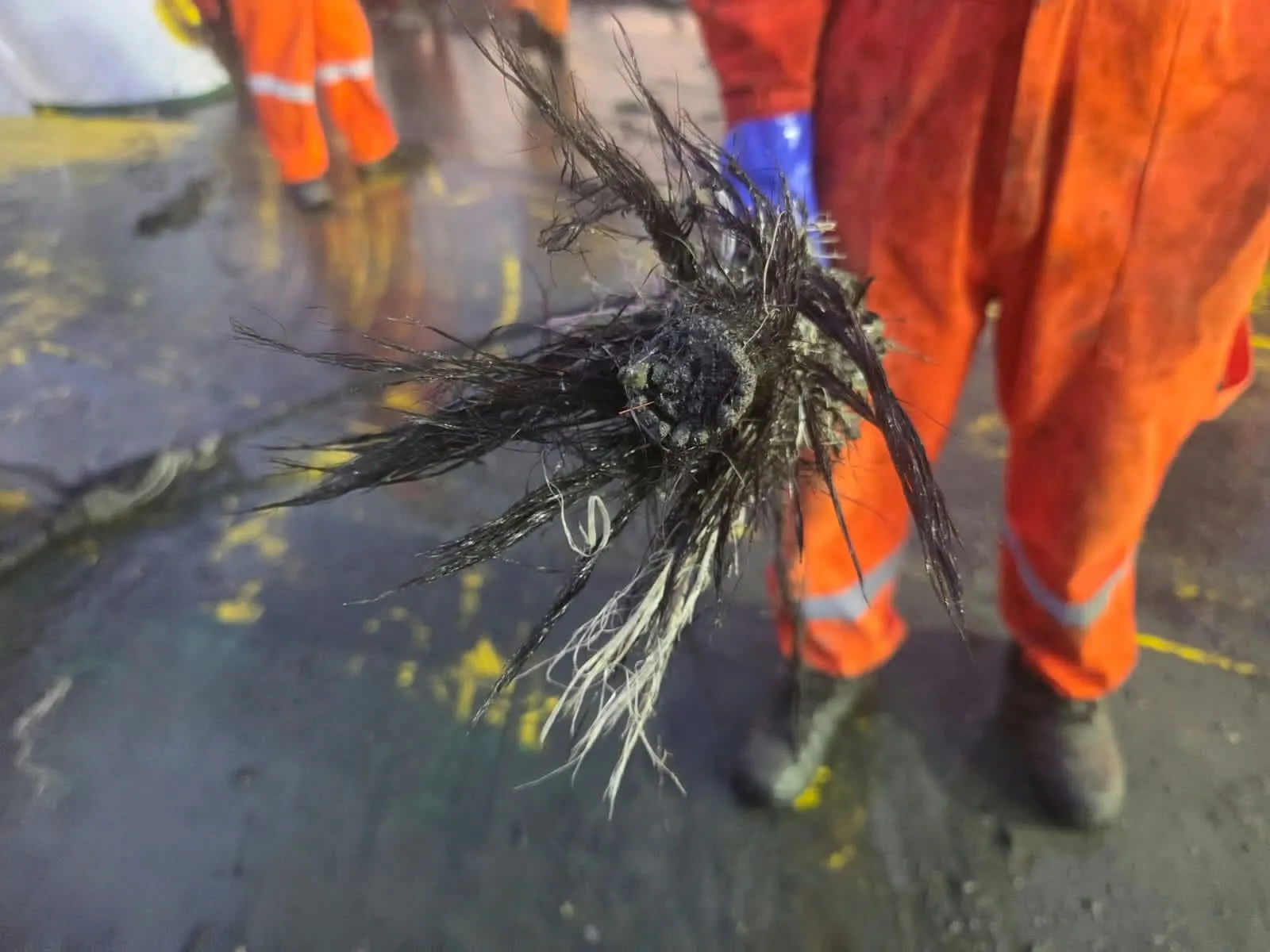
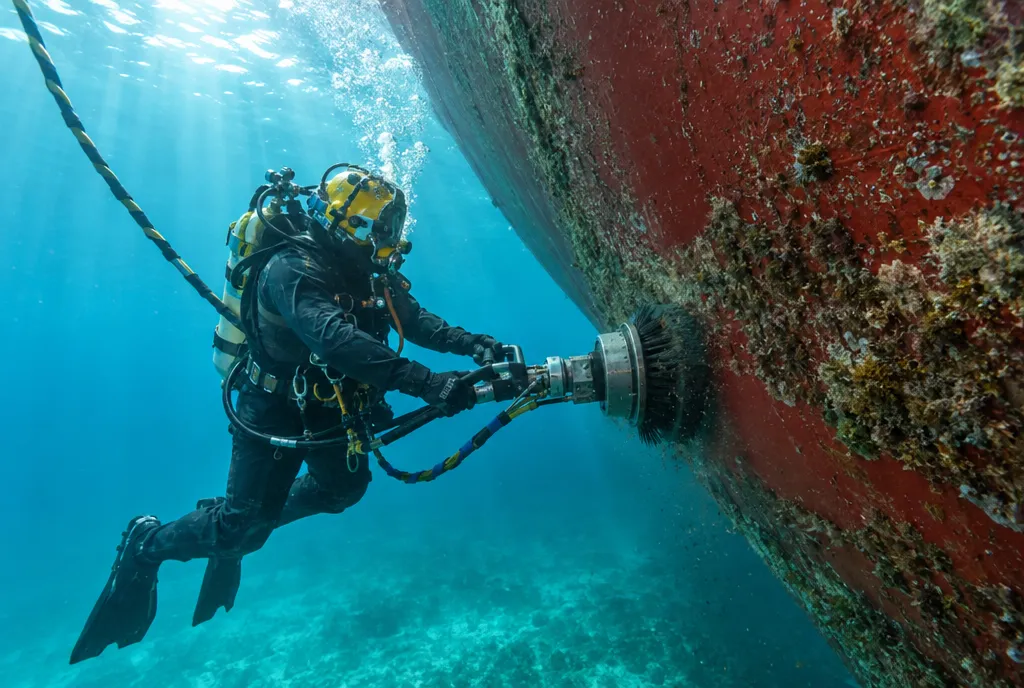
Cables on the seabed do not stay clean. Branches, plastic sheeting, fishing gear and other solid waste drift into them and wrap tight over the years. When a damaged section has to come up for repair, that debris comes up with it, and nothing can be spliced or tested until the cable is clear.
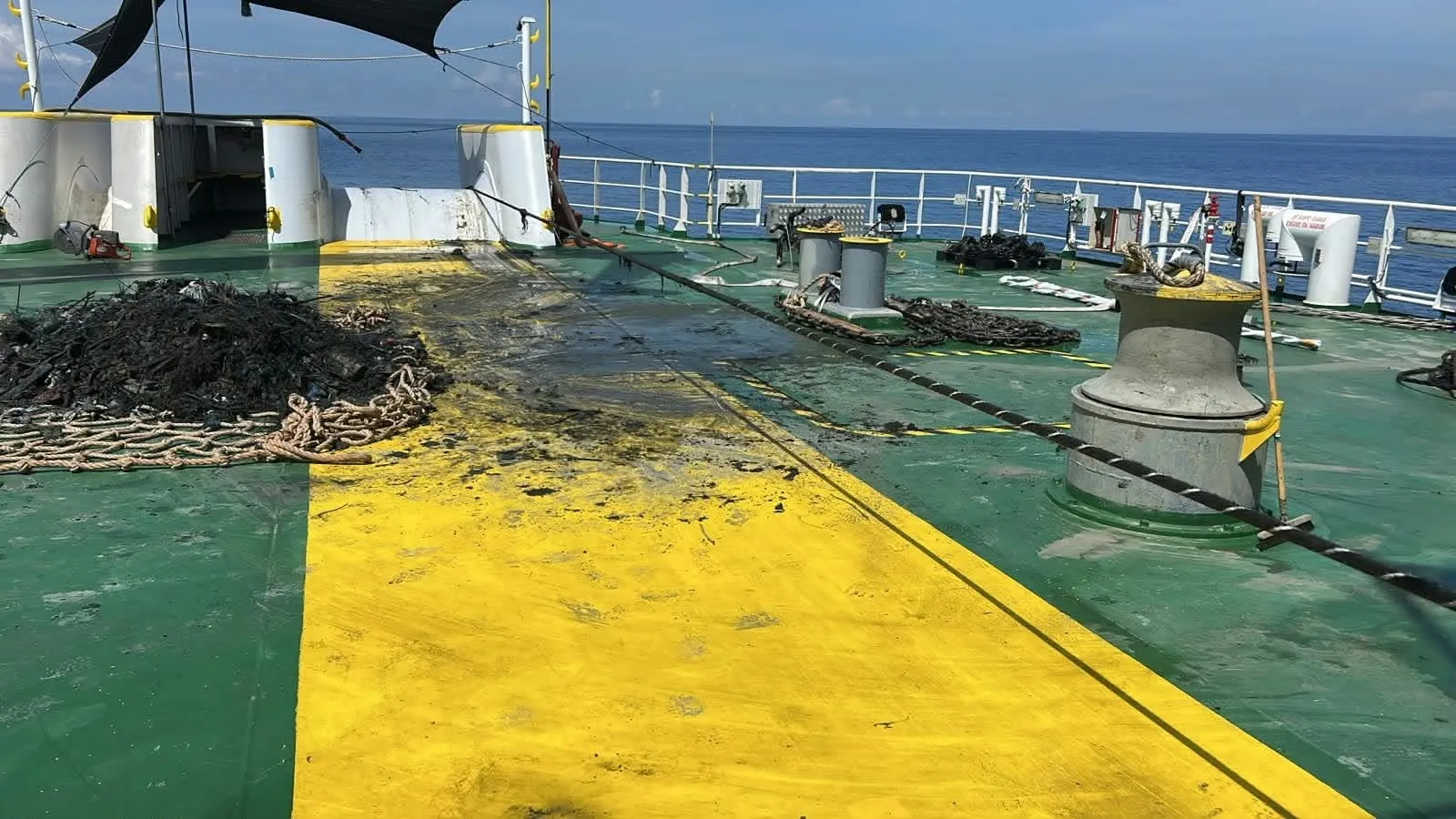
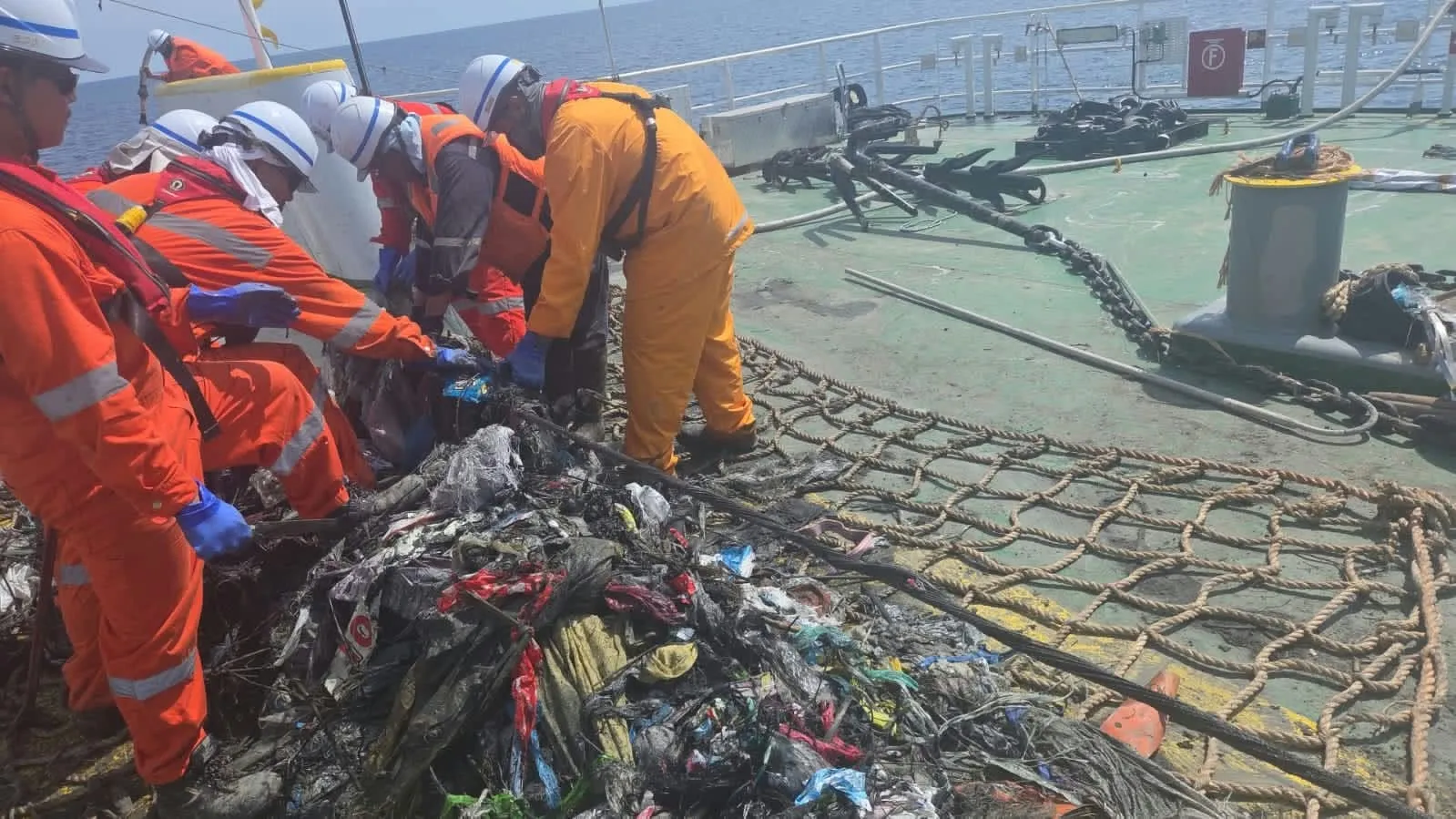
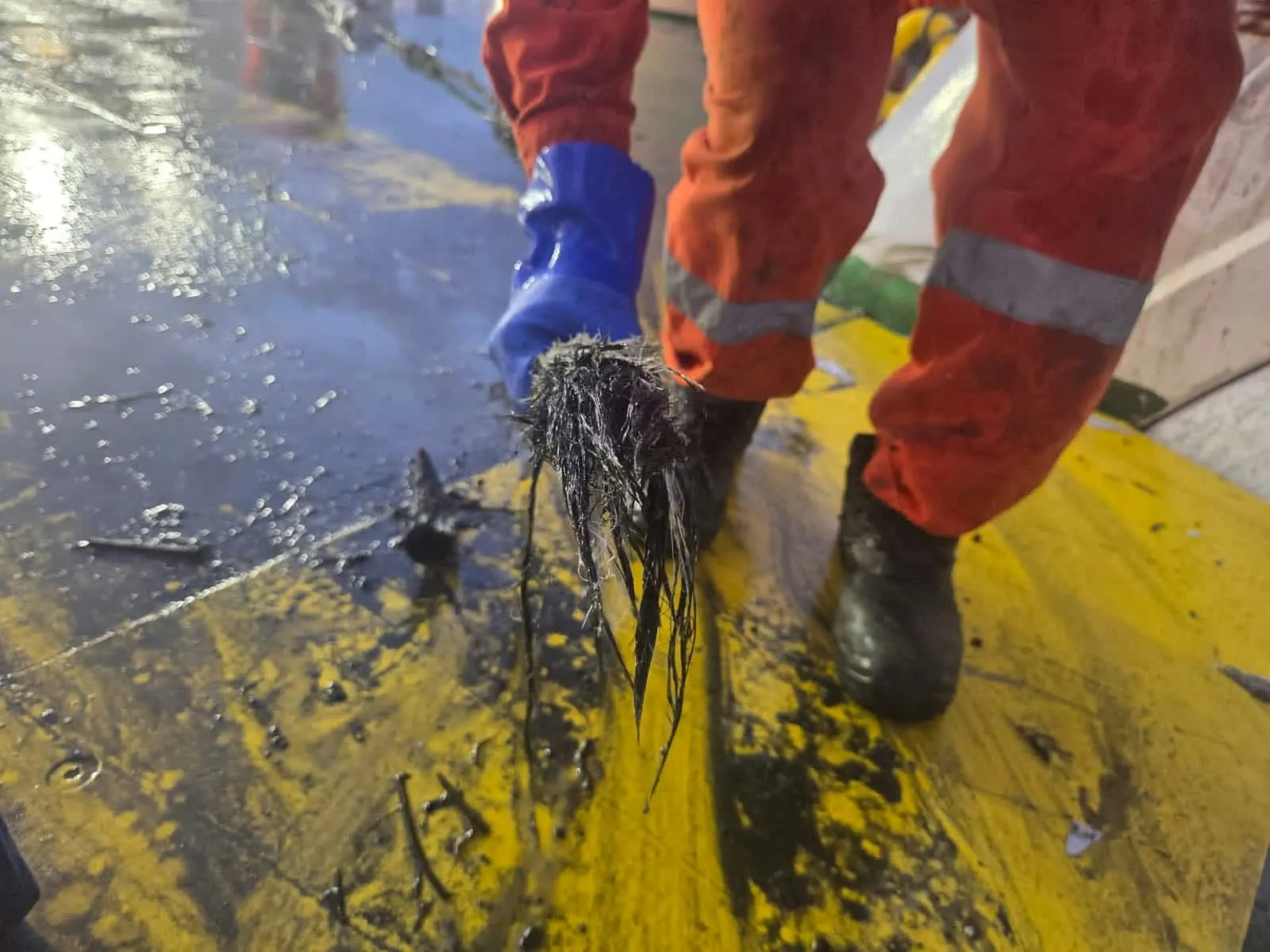
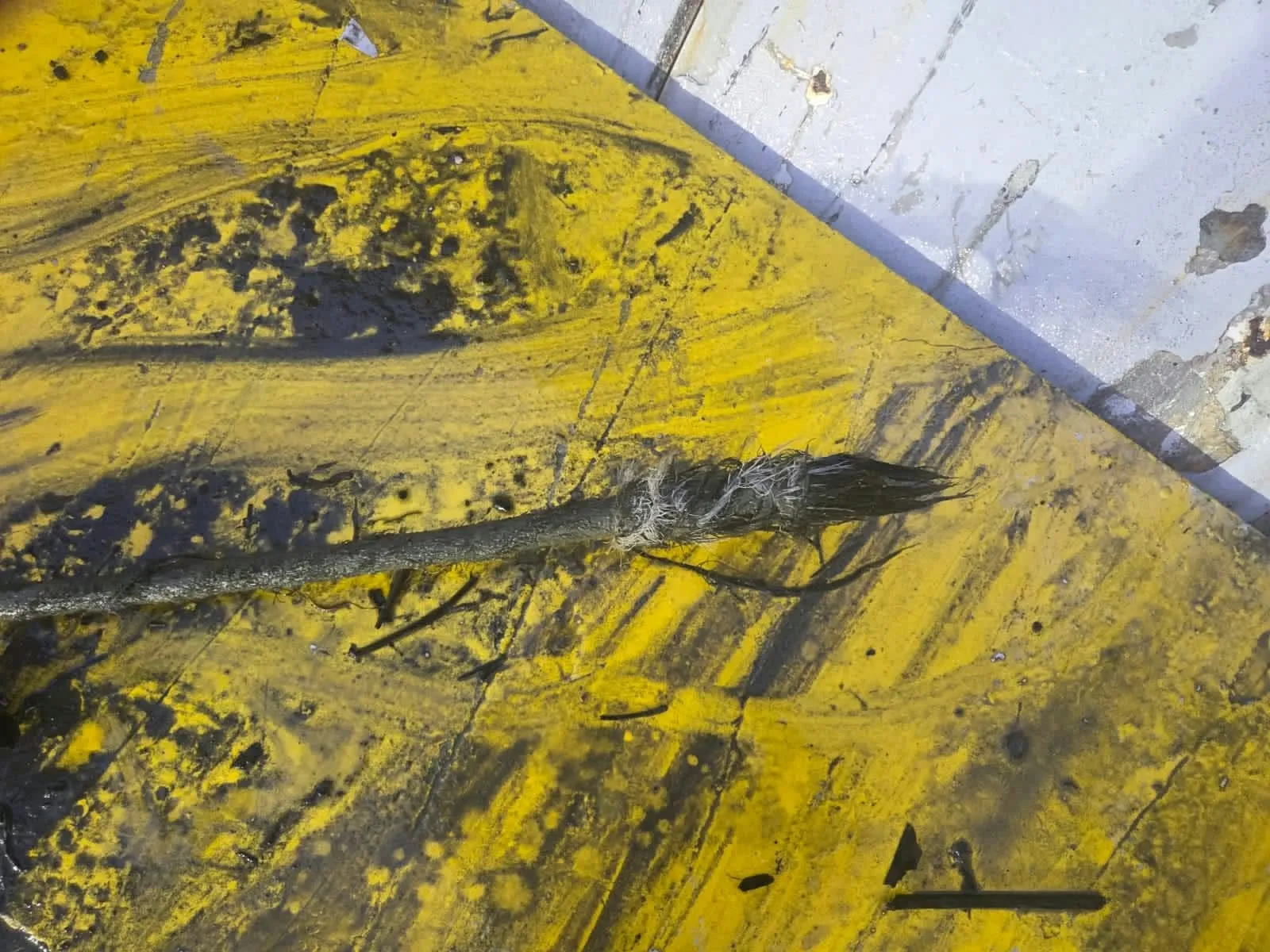
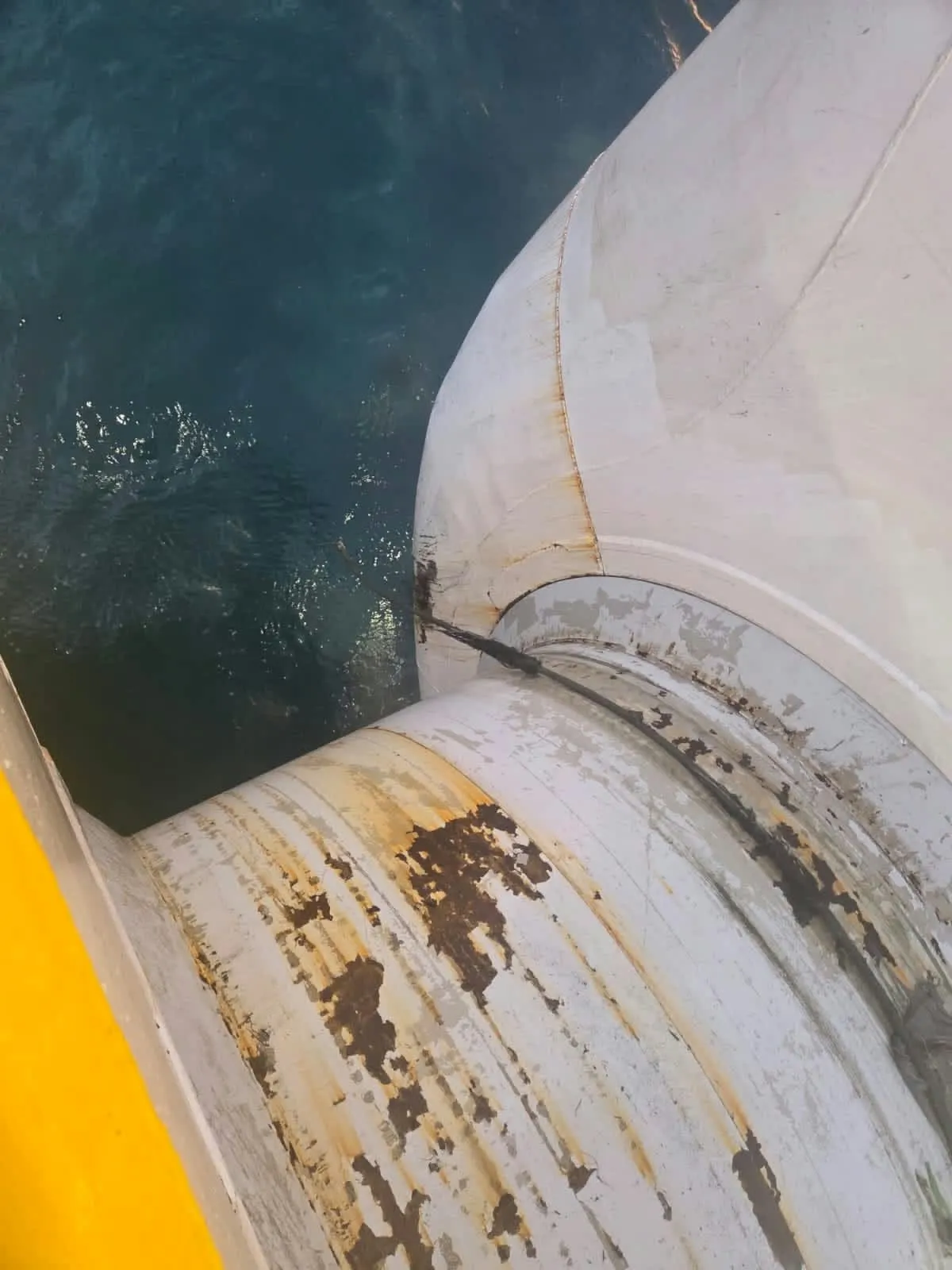
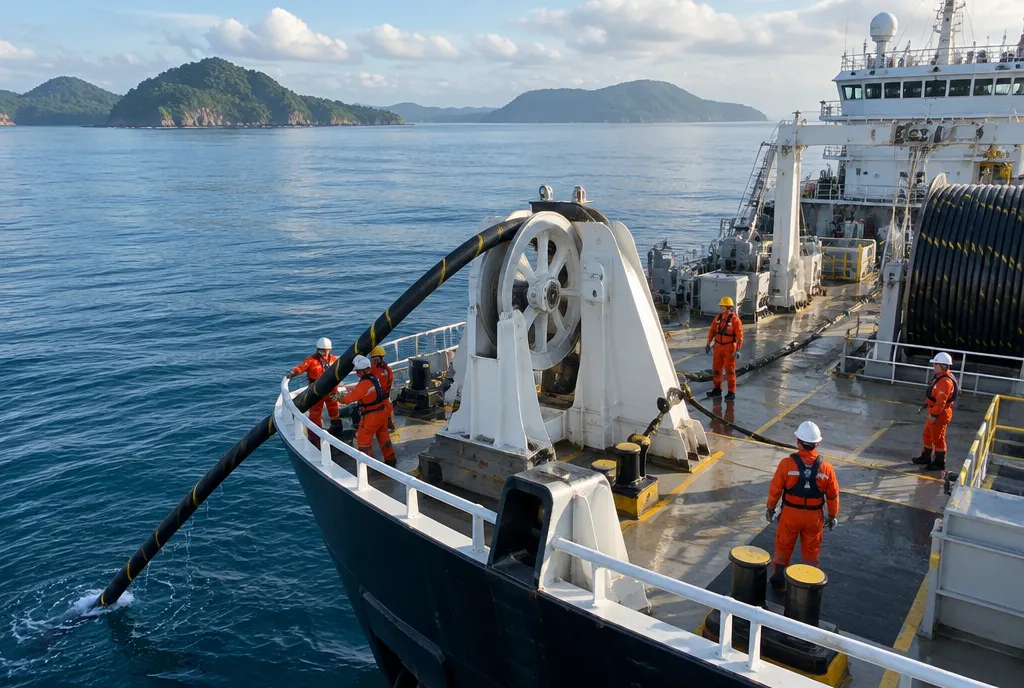
On our recent recovery job, an underwater telephone cable was brought up over the sheave for repair or replacement and arrived on deck buried in debris. The crew pulled the tangled material off by hand, gathered it onto cargo nets so the deck stayed workable, and exposed the fouled and frayed cable ends so the repair team could inspect them.
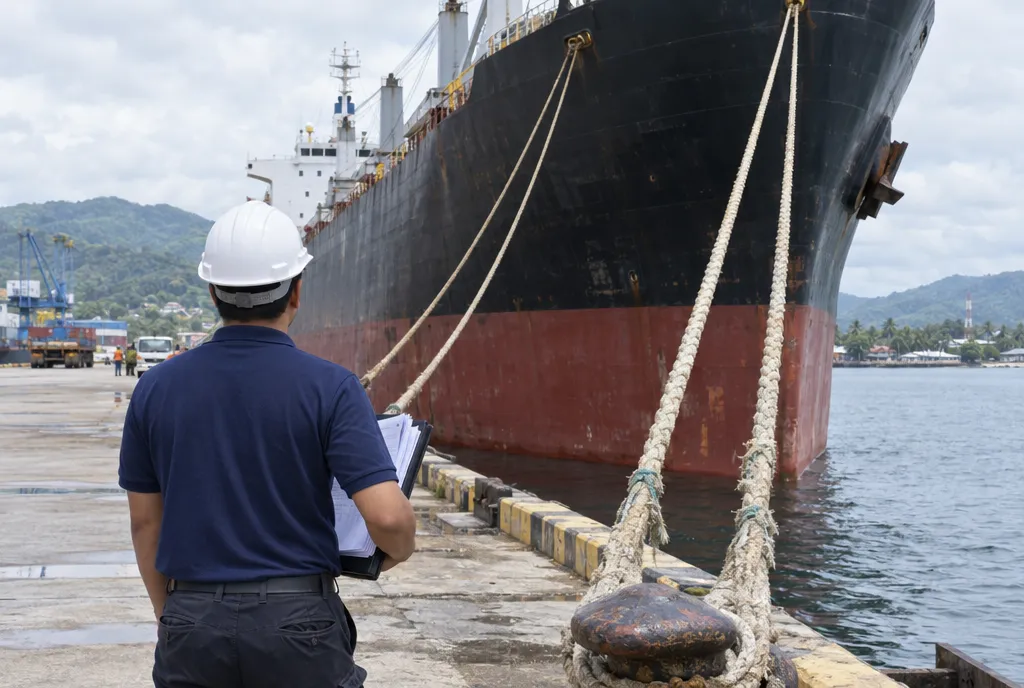
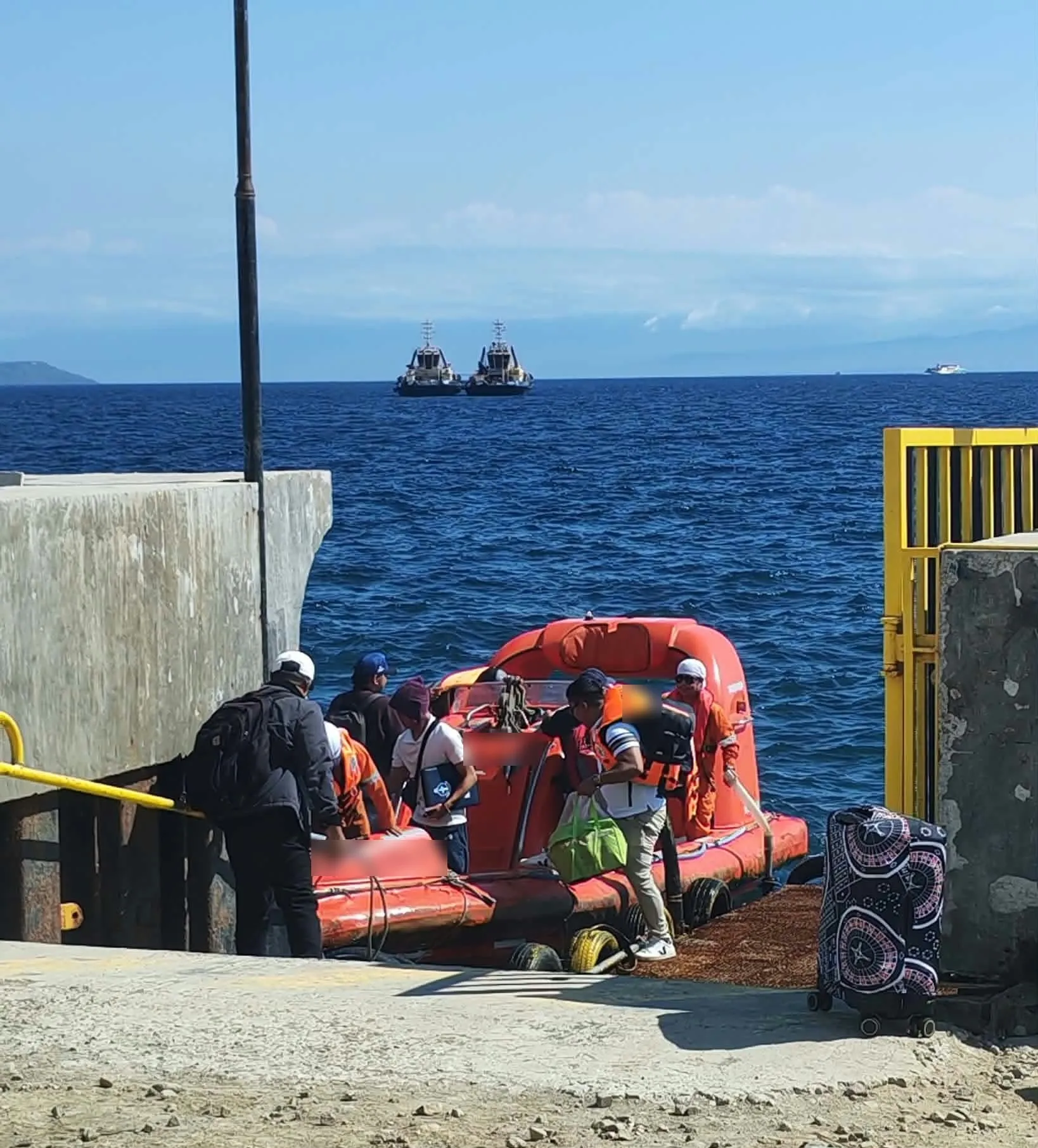
Cable work also needs a ship agent. We have acted as shipping agent at the Port of Batangas and other local ports for a cable vessel laying and repairing submarine fiber optic cable in Philippine waters. That means clearances with Customs, Immigration and Quarantine, port permits, crew changes, fresh water, bunkers and supplies arranged around the repair schedule, so the vessel spends its time on the cable instead of waiting in port.
What we handle
- Recovery of underwater telephone cables for repair or replacement
- Removal of debris and unknown solid substances tangled on cables
- Clearing and sorting debris on deck using cargo nets
- Exposing fouled and frayed cable ends for inspection
- Ship agency for cable-laying and cable repair vessels
- Port clearances, permits and crew changes for the cable vessel
- Fresh water, bunkers and supplies during the repair window
- One local contact from arrival to sailing
How it works
Inquiry
Send the vessel name, the cable location, the port you will work from and the planned dates.
Port side
We clear the vessel, file the permits and line up crew, water and supplies.
Recovery
The cable is brought on deck and the tangled debris is removed so the cable can be checked.
Repair window
We keep the port side running until the cable is repaired or replaced and the vessel sails.
Ports where we provide this service
Our home port is Batangas, including the government pier and the private terminals around Batangas Bay. We also serve these Philippine ports:
- Batangas
- Manila
- Subic
- Bataan
- Quezon
- La Union
- Cagayan
- Cebu
- Samar
- Leyte
- Davao
See all ports and Batangas terminals
Why principals choose V. Faytaren Shipping Agency
We have worked at the Port of Batangas since 1976. The agency is registered with the Maritime Industry Authority (MARINA), holds a Philippine Ports Authority permit to operate as ship's agent, is accredited by the Bureau of Customs and is a member of the Philippine Ship Agents Association. Our day-to-day working relationships with Customs, Immigration, Quarantine, the Coast Guard, the pilots and the terminals are what keep your vessel moving.
View our permits and accreditation
Frequently asked questions
What is submarine cable recovery?
It is the work of lifting an underwater telephone or fiber optic cable from the seabed onto a vessel so a damaged section can be inspected, repaired or replaced.
Why does debris have to be removed from the cable?
Branches, plastic and other solid waste wrap around cables on the seabed. The cable cannot be inspected, spliced or tested until that material is cleared off on deck.
Do you work with cable-laying vessels?
Yes. We have handled the shipping agency services at the Port of Batangas and other local ports for a cable vessel laying and repairing submarine fiber optic cable in Philippine waters.
Can you handle the port clearances for a cable repair vessel?
Yes. As ship agent we handle Customs, Immigration and Quarantine clearance, port permits, crew changes and supplies so the repair schedule is not held up in port.